 Send Inquiry
 08045800354

 Send Inquiry
Centrifugal Chemical Pumps
MOQ : 1 Set
Centrifugal Chemical Pumps Specification
- Theory
- Centrifugal Pump
- Flow Rate
- Up to 150 m/hr
- Material
- Polypropylene (PP), Stainless Steel (SS), Alloy
- Structure
- Single Stage
- Suction Type
- Single Suction
- Volute Type
- Single Volute
- Nozzle Location
- End Suction
- Shaft Orientation
- Horizontal
- Power Source
- Electric
- Fuel System
- Direct Driven
- Pressure
- Up to 16 Bar
- Temperature
- Up to 120C
- Speed
- 2900 RPM
- Application
- Chemical Handling, Acid Transfer, Water Treatment, Industrial Process
Centrifugal Chemical Pumps Trade Information
- Minimum Order Quantity
- 1 Set
- Supply Ability
- 100 Sets Per Week
- Delivery Time
- 1-12 Week
About Centrifugal Chemical Pumps
With persistent hard work and proficiency of our efficient team, we are able to manufacture, supply and export Centrifugal Chemical Pumps. Top notch quality raw materials have been acquired from the trusted sources of the industry for making these products. Tested by our team of diligent quality personnel, these products are completely free of flaws or defects. Centrifugal Chemical Pumps are delivered in a committed time limit in order to meet the deadlines provided by the clients.
Pump having semi open impeller, radially split casing, non back pullout type, suitable to mount mechanical seal, flanges to class 150FF
-
Capacity : up to 50 m3/hr
-
Head: up to 45 m
-
Temp.: up to 120oC
-
MOC: CI, CS, AISI-304/316/321/347/304L/316L, CD4MCu, CN7M, HASTELLOY-B/C, R-55, ALUMINUM, etc
Engineered for Challenging Applications
Our pumps are specifically designed for acid handling, chemical transfer, and industrial process requirements. Their robust construction from PP, SS, or alloys ensures resistance to corrosion and high durability. Single-stage and single-suction engineering maximize efficiency while minimizing maintenance, making them ideal for demanding environments.
Optimal Performance and Reliability
With speeds up to 2900 RPM and flow rates reaching 150 m/hr, these pumps provide consistent, high-performance output. The end suction and single volute design enhance hydraulic efficiency. Electric direct-driven power sources ensure lower operational costs and reliable starts, even under challenging process circumstances.
Manufactured Excellence from India
As an experienced manufacturer and exporter, we ensure our centrifugal chemical pumps meet global standards. Every unit undergoes rigorous quality checks for pressure handling up to 16 bar and operational stability at elevated temperatures, offering peace of mind for customers in water treatment, chemical processing, and similar industries.
FAQs of Centrifugal Chemical Pumps:
Q: What types of chemicals can the centrifugal chemical pumps handle?
A: These pumps are crafted in materials like polypropylene, stainless steel, and alloys, enabling them to efficiently handle a wide range of corrosive and non-corrosive chemicals, acids, and industrial liquids commonly found in chemical processing, water treatment, and acid transfer applications.Q: How does the single-stage, single-suction design benefit industrial processes?
A: The single-stage, single-suction configuration ensures straightforward mechanics, greater reliability, and easier maintenance. This design provides efficient fluid transfer with minimal energy loss, making it ideal for continuous industrial processes where uptime is critical.Q: When should these pumps be used in water treatment or chemical industries?
A: These pumps are best employed when the application demands reliable chemical resistance, precise flow control (up to 150 m/hr), operation under moderate pressures (up to 16 bar), and temperatures up to 120C. They are especially suitable for corrosive or acidic environments.Q: Where is the optimal installation location for these centrifugal pumps?
A: The pumps are designed with end suction and a horizontal shaft orientation, making them suitable for floor-level installation in industrial plants, chemical factories, and water treatment facilities where access for maintenance is important and space is optimized.Q: What is the process for operating and maintaining these pumps?
A: Operation involves powering the direct-driven electric motor and monitoring parameters such as flow rate, pressure, and temperature. Regular maintenance consists of inspecting seals, ensuring proper alignment, and cleaning components to prevent chemical build-up and sustain peak performance.Q: How does electric direct-driven operation enhance pump efficiency?
A: Electric direct-driven systems offer rapid and reliable startup with reduced energy loss and higher efficiency compared to alternative drives. This results in lower operational costs while maintaining consistent performance for demanding industrial and chemical processing applications.Q: What are the main advantages of selecting a pump made from PP, SS, or alloys?
A: Selecting pumps made from polypropylene, stainless steel, or alloys provides superior resistance to corrosion, chemical attack, and thermal stress, extending pump longevity and ensuring compatibility with a wide array of industrial and chemical fluids.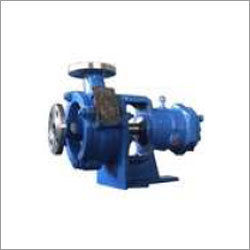
Tell us about your requirement

Price:
Quantity
Select Unit
- 50
- 100
- 200
- 250
- 500
- 1000+
Additional detail
Mobile number
Email

More Products in Centrifugal Pumps Category
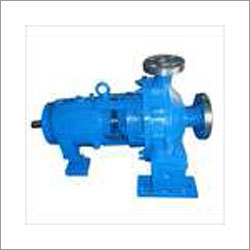
Centrifugal Chemical Process Pumps
Minimum Order Quantity : 1 Set
Suction Type : Other, End Suction
Nozzle Location : Other, Top/Centerline
Pressure : Other, Up to 8 kg/cm
Shaft Orientation : Horizontal
Inlet, Outlet Diameter : Inlet: 25mm to 150mm, Outlet: 25mm to 150mm
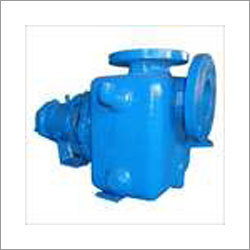
Centrifugal Self Priming Process Pumps
Minimum Order Quantity : 1 Set
Suction Type : Other, Self Priming
Nozzle Location : Other, Top Centerline Discharge
Pressure : Other, Upto 6 kg/cm
Shaft Orientation : Horizontal
Inlet, Outlet Diameter : 25 mm x 25 mm to 100 mm x 100 mm
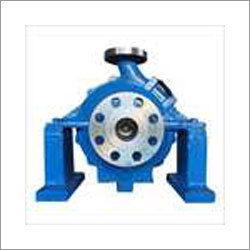
High Pressure Centrifugal Pumps
Minimum Order Quantity : 1 Set
Suction Type : Other, Single or Double Suction
Nozzle Location : Other, End Suction, Top Discharge
Pressure : Other, Up to 25 bar
Shaft Orientation : Horizontal
Inlet, Outlet Diameter : 50 mm to 200 mm
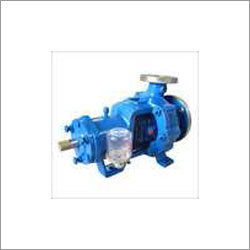
Centrifugal Process Pump
Minimum Order Quantity : 1 Set
Suction Type : End Suction, Other
Nozzle Location : Other, Top Discharge, Side Suction
Pressure : Other, Up to 10 Bar
Shaft Orientation : Horizontal
Inlet, Outlet Diameter : Inlet: 32 mm to 150 mm, Outlet: 25 mm to 125 mm

C. P. V. ENGINEER PVT. LTD.
GST : 29AACCC5393D1ZM
GST : 29AACCC5393D1ZM
Contact Details
- N-27, Industrial Estate, 1st Main, 1st Gate, Gokul Road, Opp. New Bus Stand, Hubli - 580030, Karnataka, India
- Phone : 08045800354
- Mr D. Jai Singh (Managing Director)
- Mobile : 08045800354
- Send Inquiry
 Send Inquiry
 |
C.P.V. ENGINEER PVT. LTD.
All Rights Reserved.(Terms of Use) Developed and Managed by Infocom Network Private Limited. |
