 Send Inquiry
 08045800354


 Send Inquiry
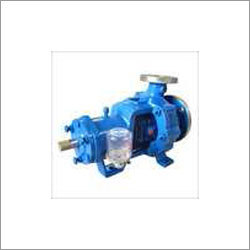
Centrifugal Self Priming Process Pumps
MOQ : 1 Set
Centrifugal Self Priming Process Pumps Specification
- Theory
- Centrifugal
- Flow Rate
- 10 m³/hr to 120 m³/hr
- Material
- Cast Iron / Stainless Steel / Alloy
- Suction Type
- Self Priming
- Volute Type
- Single Volute
- Nozzle Location
- Top Centerline Discharge
- Shaft Orientation
- Horizontal
- Power Source
- Electric
- Pressure
- Upto 6 kg/cm²
- Temperature
- Upto 80°C
- Inlet, Outlet Diameter
- 25 mm x 25 mm to 100 mm x 100 mm
- Speed
- 1450 RPM / 2900 RPM
- Application
- Industrial, Chemical, Wastewater, Water Supply
Centrifugal Self Priming Process Pumps Trade Information
- Minimum Order Quantity
- 1 Set
- Supply Ability
- 100 Sets Per Week
- Delivery Time
- 1-12 Week
- Main Domestic Market
- All India
About Centrifugal Self Priming Process Pumps
Owing to the vast experience, we have been in this field of manufacturing, supplying and exporting Centrifugal Pumps. These products are used in varied industrial in order to ensure the constant and consistent flow of water. Superb quality raw materials have been acquired from the trusted suppliers of the market for making of these products. Centrifugal Pumps are packed in special packaging material in order to avoid any damage at the time of transportation.
Pump built to American specification ANSI B.73.1, having semi open impeller, radially split self priming casing, back pullout type, suitable to mount mechanical seal, flanges to class 150FF
-
Capacity : up to 70 m3/hr
-
Head: up to 45 m
-
Temp.: up to 260oC
-
MOC: CI, CS, AISI-304/316/321/347/304L/316L, CD4MCu, CN7M, HASTELLOY-B/C, R-55, ALUMINUM, etc
Versatile Industrial Applications
These centrifugal self priming process pumps are tailored for rigorous use across multiple industries such as water supply, chemical processing, and wastewater management. Their robust construction and ability to handle a variety of fluids make them indispensable for demanding environments.
Flexible and Durable by Design
Constructed from high-grade materials like cast iron, stainless steel, and special alloys, these pumps offer remarkable resistance against corrosion and wear. Their design ensures durability and reliability in handling corrosive or abrasive fluids commonly found in industrial applications.
FAQs of Centrifugal Self Priming Process Pumps:
Q: How does the self priming feature of these centrifugal pumps work?
A: The self priming feature allows the pump to automatically evacuate air from the suction line and start pumping fluid without manual priming. This is achieved by retaining enough liquid in the pump casing during operation, ensuring immediate and efficient fluid movement upon startup.Q: What are the typical uses of these process pumps in industrial settings?
A: These pumps are widely used in chemical processing, wastewater management, and water supply for transferring, circulating, or treating various liquids, thanks to their ability to handle corrosive, abrasive, or contaminated fluids efficiently.Q: When should I choose a single volute design over other pump types?
A: A single volute design is ideal when smooth flow at consistent rates and minimized radial loads on the shaft are required. This design is particularly effective in medium to high-flow applications, where efficient and reliable performance is important.Q: Where are the inlet and outlet nozzles located on these pumps?
A: The inlet and outlet nozzles are positioned with the suction type as self priming, and the discharge is located at the top centerline. This configuration enhances pump efficiency, makes installation easier, and supports smooth piping layouts.Q: What materials are available for construction, and how do I choose the best one for my application?
A: You can select pumps made from cast iron, stainless steel, or special alloys. For aggressive or corrosive fluids, stainless steel or alloy is preferable. For general water supply or non-corrosive duties, cast iron provides a cost-effective and durable solution.Q: What is the benefit of having a pump speed of 1450 RPM or 2900 RPM?
A: Having options for 1450 RPM and 2900 RPM allows selection based on desired flow rates and head requirements, optimizing the pump for energy efficiency and performance according to specific process needs.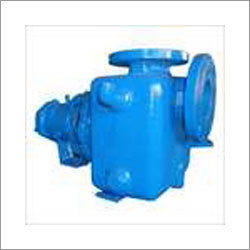
Tell us about your requirement

Price:
Quantity
Select Unit
- 50
- 100
- 200
- 250
- 500
- 1000+
Additional detail
Mobile number
Email

More Products in Centrifugal Pumps Category
Centrifugal Chemical Process Pumps
Minimum Order Quantity : 1 Set
Speed : 1450/2880 RPM
Suction Type : Other, End Suction
Nozzle Location : Other, Top/Centerline
Shaft Orientation : Horizontal
Flow Rate : Up to 300 m/hr
Centrifugal Chemical Pumps
Minimum Order Quantity : 1 Set
Speed : 2900 RPM
Suction Type : Other, Single Suction
Nozzle Location : Other, End Suction
Shaft Orientation : Horizontal
Flow Rate : Up to 150 m/hr
High Pressure Centrifugal Pumps
Minimum Order Quantity : 1 Set
Speed : 1450 or 2900 RPM
Suction Type : Other, Single or Double Suction
Nozzle Location : Other, End Suction, Top Discharge
Shaft Orientation : Horizontal
Flow Rate : Up to 600 m/h
Centrifugal Process Pump
Minimum Order Quantity : 1 Set
Speed : 1450 or 2900 RPM
Suction Type : End Suction, Other
Nozzle Location : Other, Top Discharge, Side Suction
Shaft Orientation : Horizontal
Flow Rate : Up to 440 m/hr

C. P. V. ENGINEER PVT. LTD.
GST : 29AACCC5393D1ZM
GST : 29AACCC5393D1ZM
Contact Details
- N-27, Industrial Estate, 1st Main, 1st Gate, Gokul Road, Opp. New Bus Stand, Hubli - 580030, Karnataka, India
- Phone : 08045800354
- Mr D. Jai Singh (Managing Director)
- Mobile : 08045800354
-
 Send Inquiry
 Send Inquiry

 |
C.P.V. ENGINEER PVT. LTD.
All Rights Reserved.(Terms of Use) Developed and Managed by Infocom Network Private Limited. |
