 Send Inquiry
 08045800354

 Send Inquiry
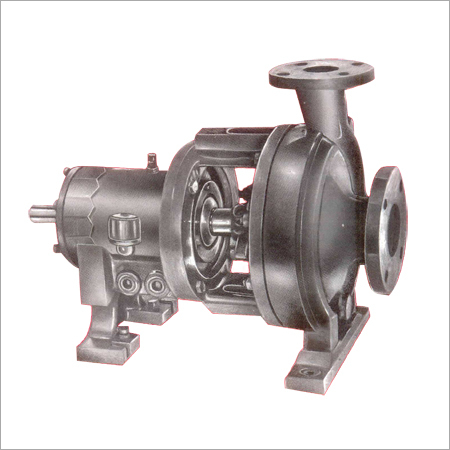
Chemical Process Pumps
MOQ : 1 Set
Chemical Process Pumps Specification
- Head Size
- Up to 80 m
- Frequency
- 50 Hz / 60 Hz
- Mounting Type
- Baseplate Mounted
- Caliber
- Custom as per model
- Noise Level
- Low Noise Operation
- Working Temperature
- Up to 120C
- Speed
- 1450 / 2900 rpm
- Control System
- Manual / Automatic
- Theory
- Centrifugal Pump
- Flow Rate
- Up to 350 m/hr
- Voltage
- 220V / 380V / 415V
- Discharge Pressure
- Up to 8 bar
- Inlet/Outlet
- 25 mm to 150 mm
- Max Suction
- Up to 8 m
- Material
- Polypropylene / Stainless Steel / Cast Iron / Alloy
- Structure
- Single Stage
- Power
- 0.5 HP to 50 HP
- Standard
- ISO 2858 / DIN 24256
- Fuel Type
- Electric
- Pressure
- Up to 8 bar
- Usage
- Chemical Handling
- Application
- Chemical Industry, Pharmaceuticals, Textile, Paper, Petrochemical, Effluent Treatment
- Suction Type
- Single Suction
- Seals Type
- Mechanical Seal / Gland Packing
- Pump Type
- End Suction
- Capacity
- Up to 350 m/hr
Chemical Process Pumps Trade Information
- Minimum Order Quantity
- 1 Set
- Supply Ability
- 100 Sets Per Day
- Delivery Time
- 1-12 Week
About Chemical Process Pumps
Our company is reckoned as a well developed manufacturer, supplier and exporter of Chemical Process Pumps. Made of premium quality raw materials and components, these products provide flawless functioning and operation. These products are generally used for processing of different types of chemicals and hazardous liquids. To ascertain their error free construction, these products are duly tested by our team of diligent quality analyzers. Chemical Process Pumps can be availed from us in varied different models and grades as per the requirements of our patrons.
Pump built to American specification ANSI B.73.1, having semi open impeller, radially split casing, back pullout type, suitable to mount mechanical seal, flanges to class 150FF.
-
Capacity : up to 750 m3/hr
-
Head: up to 250 m
-
Temp.: up to 260oC
-
Optional Feature: Jacketed Casing & Stuffing Box Cover, Flanges to Class 300FF
-
MOC: CI, CS, AISI-304/316/321/347/304L/316L, CD4MCu, CN7M, HASTELLOY-B/C, R-55, ALUMINUM, etc
Versatile Material Construction
Choose from polypropylene, stainless steel, cast iron, or alloy to ensure maximum compatibility with a wide range of corrosive and abrasive chemicals. Material options provide tailored resistance to various process conditions for enhanced pump longevity.
Customizable Capacity and Performance
With inlet/outlet diameters from 25 mm to 150 mm, suction lifts up to 8 meters, and flow rates reaching 350 m/hr, these pumps are designed to accommodate both small-scale and large-scale operations. Variable power options and control systems allow precise adaptation to project requirements.
Compliance and Safety Standards
Our chemical process pumps are manufactured to ISO 2858 and DIN 24256 standards, ensuring international quality, interchangeability, and operator safety. Each unit undergoes rigorous quality checks prior to shipment.
FAQs of Chemical Process Pumps:
Q: How do I select the correct material of construction for my chemical process pump application?
A: Selecting the right materialpolypropylene, stainless steel, cast iron, or alloydepends on the specific chemicals, temperature, and abrasiveness involved. For corrosive environments, polypropylene or stainless steel is recommended, while cast iron or alloy may suit less aggressive applications.Q: What is the installation process for these chemical process pumps?
A: Installation is straightforward due to the baseplate-mounted design. Ensure the pump is securely installed on a level base, connect the inlet/outlet as specified (25 mm to 150 mm), and complete electrical connections as per voltage requirements (220V, 380V, or 415V). Consult the manual for detailed setup and commissioning steps.Q: When should I use a mechanical seal versus gland packing?
A: Mechanical seals are recommended for applications requiring minimal leakage and lower maintenance. Gland packing can be chosen where some leakage is tolerable and cost-sensitivity is a factor. The selection should match your liquids properties and operational budget.Q: Where can these pumps be used within an industrial setup?
A: Chemical process pumps are ideal for chemical industries, pharmaceuticals, textile processing, paper manufacturing, petrochemical plants, and effluent treatment facilities. Their adaptability supports various demanding fluid transfer operations.Q: What are the key benefits of using a centrifugal end suction pump for chemical handling?
A: Key advantages include high efficiency, low noise operation, easy maintenance, and compatibility with a range of chemicals and slurries. End suction design also simplifies piping arrangements and offers space-saving installation.Q: How is flow and pressure regulated in these pumps during operation?
A: Flow and pressure can be managed via manual or automatic control systems. Adjustments may involve throttling the discharge valve, altering pump speed, or integrating automatic controls for process optimization.Q: What is the regular maintenance process for ensuring pump longevity?
A: Routine maintenance involves inspecting seals or packing, checking alignment, monitoring vibration and noise, lubricating bearings, and verifying all operating parameters. Scheduled preventive checks sustain reliability and extend pump service life.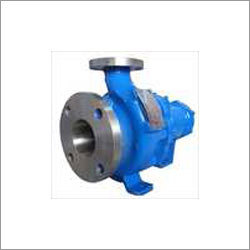
Tell us about your requirement

Price:
Quantity
Select Unit
- 50
- 100
- 200
- 250
- 500
- 1000+
Additional detail
Mobile number
Email

More Products in Chemical Process Pumps Category
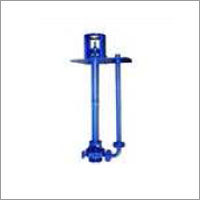
Vertical Sump Pumps
Minimum Order Quantity : 1 Set
Usage : Other, Industrial/Commercial/Liquid Transfer
Voltage : 380V / 415V / 220V (Customizable)
Fuel Type : Other, Electric
Seals Type : Mechanical Seal or Gland Packing
Discharge Pressure : Up to 8 bar
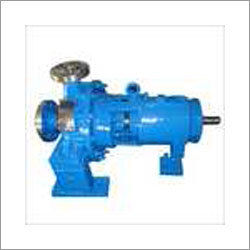
High Temperature Centrifugal Pump
Minimum Order Quantity : 1 Set
Usage : Other, Industrial
Voltage : 415 V
Fuel Type : Other, Electric
Seals Type : Mechanical Seal
Discharge Pressure : Up to 16 Bar
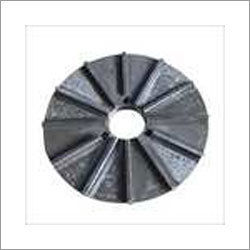
Slurry Pumps
Minimum Order Quantity : 1 Set
Usage : Other, Industrial Slurry Handling
Voltage : 415 V
Fuel Type : Other, Electric
Seals Type : Mechanical Seal / Gland Packing
Discharge Pressure : Up to 3 bar
Chemical Centrifugal Process Pumps
Minimum Order Quantity : 1 Set
Usage : Other, Chemical Process Handling
Voltage : 230/415 V
Fuel Type : Other, Electric
Seals Type : Mechanical Seal / Gland Packing
Discharge Pressure : Up to 10 bar

C. P. V. ENGINEER PVT. LTD.
GST : 29AACCC5393D1ZM
GST : 29AACCC5393D1ZM
Contact Details
- N-27, Industrial Estate, 1st Main, 1st Gate, Gokul Road, Opp. New Bus Stand, Hubli - 580030, Karnataka, India
- Phone : 08045800354
- Mr D. Jai Singh (Managing Director)
- Mobile : 08045800354
- Send Inquiry
 Send Inquiry
 |
C.P.V. ENGINEER PVT. LTD.
All Rights Reserved.(Terms of Use) Developed and Managed by Infocom Network Private Limited. |
