 Send Inquiry
 08045800354

 Send Inquiry
Self Priming Chemical Centrifugal Pumps
MOQ : 1 Set
Self Priming Chemical Centrifugal Pumps Specification
- Caliber
- Standard pipe size, customizable
- Noise Level
- Low (<70 dB)
- Max Suction
- Up to 5 meters
- Discharge Pressure
- Up to 6 kg/cm
- Voltage
- 220V / 380V (Single & Three Phase options)
- Head Size
- Up to 45 meters
- Inlet/Outlet
- 1 inch to 4 inch (25 mm to 100 mm)
- Frequency
- 50 Hz / 60 Hz
- Speed
- 2900 RPM / 1440 RPM
- Mounting Type
- Base plate / Foot mounted
- Control System
- Manual / Automatic
- Theory
- Centrifugal Pump
- Flow Rate
- Up to 200 m/hr
- Material
- Polypropylene (PP), PVDF, PTFE, Stainless Steel
- Power
- 0.5 HP to 15 HP
- Standard
- ISI / CE / ISO Compliant
- Fuel Type
- Electricity
- Pressure
- Up to 6 kg/cm
- Usage
- Industrial chemical transfer, acid alkali handling
- Application
- Chemical, Pharmaceutical, Effluent Treatment, Dyes, Process Industries
- Seals Type
- Mechanical Seal / Gland Packing
- Pump Type
- Self Priming Chemical Centrifugal Pump
- Capacity
- Up to 200 m/hr
Self Priming Chemical Centrifugal Pumps Trade Information
- Minimum Order Quantity
- 1 Set
- Supply Ability
- 100 Sets Per Day
- Delivery Time
- 1-12 Week
About Self Priming Chemical Centrifugal Pumps
unit, we are able to manufacture, supply and export Self Priming Pumps. Operated using the best available techniques, these products have a low energy usage a very less maintenance. Known for their optimum performance and user friendly controls, these products have earned a high demand among our prestigious clients in the international market. Self Priming Pumps are available with us in different specifications and models depending on the requirements of the clients.
Pump built to American specification ANSI B.73.1, having semi open impeller, radially split self priming casing.
Versatile Industrial Applications
Engineered for reliability, self priming chemical centrifugal pumps cater to diverse sectors including chemical processing, pharmaceuticals, dyes, effluent treatment, and other process industries. Their construction from high-grade materials like PP, PVDF, PTFE, and stainless steel ensures safe handling of a wide spectrum of corrosive fluids, making them a trusted solution for critical industrial tasks.
Customizable Design and Performance
Available with a choice of mechanical seal or gland packing, various voltage and frequency options, and a range of inlet/outlet sizes, these pumps can be tailored to specific requirements. With low noise levels and both manual and automatic control systems, operators can integrate these pumps into any system for smooth, consistent performance.
FAQs of Self Priming Chemical Centrifugal Pumps:
Q: How do self priming chemical centrifugal pumps work in industrial settings?
A: These pumps utilize centrifugal force to move fluids and feature self-priming capability, enabling them to automatically clear air from the suction line and start pumping without manual priming. This makes them practical for transferring aggressive chemicals and liquids across various process industries.Q: What types of chemicals and fluids can these pumps handle?
A: Constructed from polypropylene, PVDF, PTFE, and stainless steel, these pumps are suitable for transferring a wide range of corrosive chemicals, acids, alkalis, and effluents, providing durability even in harsh conditions.Q: When should I use gland packing versus a mechanical seal?
A: Gland packing is often chosen for cost-effectiveness and ease of maintenance in applications where minor leakage is acceptable, whereas mechanical seals offer superior sealing for hazardous or leak-sensitive media, minimizing the risk of emissions.Q: Where can these pumps be installed in an industrial plant?
A: Thanks to base plate or foot mounting design, these pumps are suitable for installation in centralized chemical transfer systems, near storage tanks, or within processing lines in chemical, pharmaceutical, effluent treatment, and dye manufacturing facilities.Q: What is the process for customizing pump size and materials?
A: Pumps can be tailored to project requirements by specifying inlet/outlet dimensions (14), material preference, voltage (220V/380V), phase type, sealing method, and other operational preferences at the time of order, ensuring an optimal match for the specific fluid and application.Q: What are the main benefits of choosing a self priming centrifugal pump for chemical transfer?
A: Beyond the convenience of automatic self-priming, these pumps deliver strong chemical resistance, low noise (<70 dB), high energy efficiency, and meet international safety and quality standards (ISI, CE, ISO), making them highly dependable for industrial chemical handling.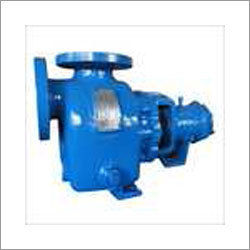
Tell us about your requirement

Price:
Quantity
Select Unit
- 50
- 100
- 200
- 250
- 500
- 1000+
Additional detail
Mobile number
Email

More Products in Chemical Process Pumps Category
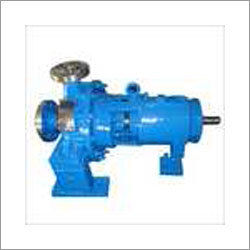
High Temperature Centrifugal Pump
Minimum Order Quantity : 1 Set
Suction Type : Single Suction
Usage : Other, Industrial
Inlet/Outlet : 2 inch / 2 inch
Seals Type : Mechanical Seal
Mounting Type : Base Mounted
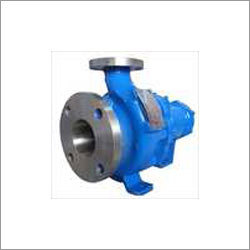
Chemical Process Pumps
Minimum Order Quantity : 1 Set
Suction Type : Single Suction
Usage : Other, Chemical Handling
Inlet/Outlet : 25 mm to 150 mm
Seals Type : Mechanical Seal / Gland Packing
Mounting Type : Baseplate Mounted
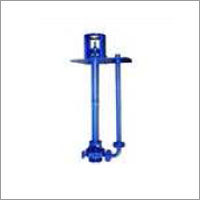
Vertical Sump Pumps
Minimum Order Quantity : 1 Set
Suction Type : Vertical Immersed
Usage : Other, Industrial/Commercial/Liquid Transfer
Inlet/Outlet : 32mm to 150mm
Seals Type : Mechanical Seal or Gland Packing
Mounting Type : Vertical
Slurry Pumps
Minimum Order Quantity : 1 Set
Suction Type : Single
Usage : Other, Industrial Slurry Handling
Inlet/Outlet : 65 mm/50 mm
Seals Type : Mechanical Seal / Gland Packing
Mounting Type : Baseplate Mounted

C. P. V. ENGINEER PVT. LTD.
GST : 29AACCC5393D1ZM
GST : 29AACCC5393D1ZM
Contact Details
- N-27, Industrial Estate, 1st Main, 1st Gate, Gokul Road, Opp. New Bus Stand, Hubli - 580030, Karnataka, India
- Phone : 08045800354
- Mr D. Jai Singh (Managing Director)
- Mobile : 08045800354
- Send Inquiry
 Send Inquiry
 |
C.P.V. ENGINEER PVT. LTD.
All Rights Reserved.(Terms of Use) Developed and Managed by Infocom Network Private Limited. |
